ABA Therapy and Ballroom Dancing

asdanceforautism's avatarASDance for Autism Blog

Just read a fantastic article about ABA Therapy, demonstrating both the pros and cons within the same writing.  It is rare to see that, since most either focus on how great ABA is or on the contrary how abusive it is.  Just like everything, here too there are at least two sides to the coin… Black or white!  But I personally love sitting in the grey area.  It gives me better view of both sides and helps me choose the right one for the given case or moment.  Plus it allows me to the the wide spectrum of approaches that could be used.  I am a strong believer that no matter how good an idea, theory or approach may sound, none is perfect.  Textbooks, approaches, theories,…  should be only used as guidelines to free and enhance any process for them to be successful.  Blindly following the rules, just because those…

View original post 243 more words

Excellent Article on ABA Therapy – sharing the info from another blog

I don’t do debates on ABA therapy – I encourage parents to do what they think is best for their child. I have utilized forms of ABA at times in my son’s development.

This is an interesting written from the perspective of someone actually on the spectrum – not the parent and not the therapist.

Always best to see all perspectives then make your own informed decisions – ABA is not always the best for everyone though it’s commonly tossed out as a need in the spectrum world.

Invisible Abuse: ABA and the things only autistic people can see


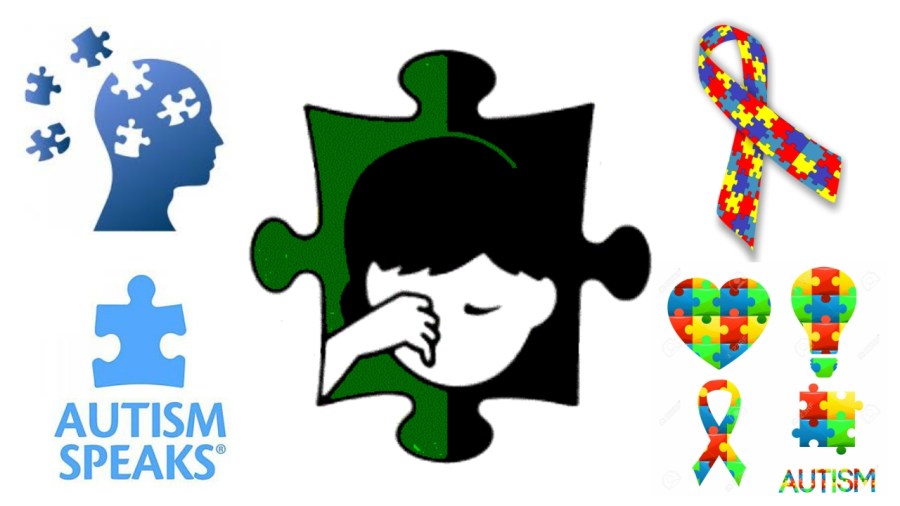
The Ableist History of the Puzzle Piece Symbol for Autism

I am ok with puzzle pieces (but I am parent of Autistic) but I am not OK with Autism Speaks or their campaign.

Cassandra Crosman's avatarIn the Loop About Neurodiversity

The puzzle piece is the most commonly recognized symbol for autism awareness. But many people are unaware of it’s ableist history.

On World Autism Awareness Day (April 2nd) , many neurotypical people show support and spread “autism awareness” for their autistic family members and friends by displaying the puzzle piece ribbon, wearing puzzle piece pins, and put puzzle piece stickers and decals on their car bumpers and windows. But one question is commonly forgotten; what do autistic people themselves think of the puzzle piece symbol?

While there are some autistic people who may identify with the puzzle piece, a large majority of autistic people don’t. Not only was the puzzle piece symbol used without input from the autistic community, but it has been used to stigmatize and dehumanize autistic people for decades, and continues to be used in this manner today. Despite overwhelming opposition for the puzzle piece symbol by…

View original post 1,125 more words